Laparoscopic Appendectomy service image
Laparoscopic Appendectomy

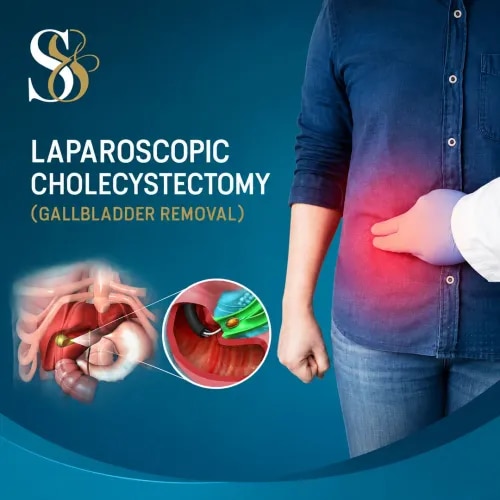
Laparoscopic appendectomy is a minimally invasive operation to remove the appendix, most commonly when appendicitis requires surgical treatment. Laparoscopy uses a camera and specialized instruments introduced through small abdominal incisions. It is a commonly used approach for appendix removal. Dr Shaunak Saha offers surgical consultation and evaluation for patients presenting with suspected appendicitis and other causes of acute abdominal pain. Diagnosis may involve clinical examination, blood tests and imaging depending on the individual case. The appropriate treatment depends on the severity of appendicitis, the patient’s overall condition and the findings of the treating surgical team. Some cases may require antibiotics initially, while others require surgery. SPECIFICATIONS: Procedure: Laparoscopic appendectomy Condition treated: Appendicitis Approach: Keyhole surgery Target organ: Appendix Assessment: Clinical examination and appropriate investigations Anaesthesia: Usually general anaesthesia Incisions: Small abdominal incisions Purpose: Removal of inflamed or diseased appendix Treatment setting: Hospital-based surgical care Suitability: Determined according to individual diagnosis FREQUENTLY ASKED QUESTIONS: Q: What is an appendectomy? A: An appendectomy is surgery to remove the appendix, usually because of appendicitis. Q: Can appendicitis be treated without surgery? A: Some selected cases may initially be treated with antibiotics, but surgery may still be required depending on the condition and clinical assessment. Q: Is laparoscopic appendectomy a keyhole procedure? A: Yes. Laparoscopic appendectomy uses a camera and surgical instruments through small abdominal incisions. If you have persistent or worsening abdominal pain and are concerned about appendicitis, consult Dr Shaunak Saha for timely surgical evaluation.

Laparoscopic Cholecystectomy service image
Laparoscopic Cholecystectomy

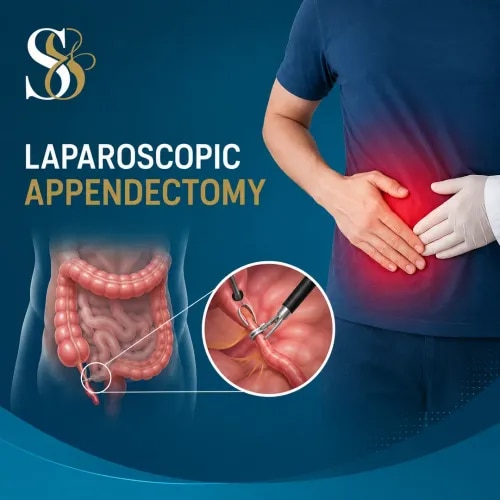
Laparoscopic cholecystectomy is a minimally invasive surgical procedure used to remove the gallbladder, most commonly when gallstones cause recurrent pain, inflammation, infection or other complications. The procedure is commonly known as keyhole gallbladder surgery and is performed using a small camera and specialized surgical instruments through small abdominal incisions. Dr Shaunak Saha provides consultation and surgical evaluation for patients experiencing symptoms related to gallstones and gallbladder disease. The treatment plan is based on the patient’s symptoms, clinical examination, investigations and overall health. Laparoscopic gallbladder surgery generally involves smaller incisions than conventional open surgery and may be associated with less postoperative discomfort and faster recovery in appropriate patients. SPECIFICATIONS: Procedure: Laparoscopic cholecystectomy Condition treated: Gallstones and symptomatic gallbladder disease Approach: Minimally invasive keyhole surgery Target organ: Gallbladder Common symptoms: Upper abdominal pain, nausea, vomiting and food-related discomfort Assessment: Clinical evaluation and appropriate imaging/laboratory investigations Anaesthesia: Usually general anaesthesia Incisions: Small abdominal incisions Recovery: Depends on individual health and surgical complexity Suitability: Determined after individual medical evaluation FREQUENTLY ASKED QUESTIONS: Q: What is laparoscopic cholecystectomy? A: It is keyhole surgery to remove the gallbladder, commonly performed for symptomatic gallstones and certain gallbladder conditions. Q: Is laparoscopic gallbladder surgery painful? A: Some pain or discomfort is expected after surgery, but laparoscopic surgery generally uses smaller incisions than open surgery. Pain management is provided according to the patient’s needs. Q: When should I see a surgeon for gallstones? A: Recurrent abdominal pain, gallstone-related complications, inflammation, jaundice or other concerning symptoms should be evaluated by a doctor. Book a consultation with Dr Shaunak Saha for evaluation of gallstones and gallbladder problems and discuss whether laparoscopic cholecystectomy is appropriate for you.

Subcategory Tags

Keyhole SurgeryAbdominal AbscessAbdominal HerniaAbscess DrainageAcute Abdominal PainAdult CircumcisionAnal Fissure SurgeryAnal Fissure TreatmentAnal Fistula SurgeryAnal Fistula TreatmentAnorectal Disorders,Anorectal SurgeryAppendicitis SurgeonAppendicitis TreatmentAppendix RemovalAppendix SurgeryBaby HerniaBreast Lump Evaluation,Breast Lump TreatmentBreast SurgeryBreast and Thyroid SurgeryChild Hernia SurgeryCircumcisionCircumcision SurgeryColorectal SurgeryCyst RemovalEndovenous TreatmentFacial Nerve SurgeryForeskin SurgeryGallbladder RemovalGallbladder SpecialistGallbladder SurgeryGallstone SurgeonGallstone TreatmentGanglion CystGeneral SurgeonGeneral SurgeryGroin HerniaGynaecological SurgeryHead and Neck SurgeryHemorrhoids TreatmentHepatobiliary SurgeryHernia SurgeryHernia TreatmentHernia Treatment PuneHydrocele RepairHydrocele SurgeryHydrocele TreatmentInguinal HerniaInguinal Hernia SurgeryInguinal Hernia in ChildrenKeyhole Hernia SurgeryLaparoscopic AppendectomyLaparoscopic CholecystectomyLaparoscopic Colorectal SurgeryLaparoscopic Hernia RepairLaparoscopic HysterectomyLaparoscopic Pediatric SurgeryLaparoscopic RectopexyLaparoscopic Splenectomy

Contact Us

Live Chat

Connect over WhatsApp to resolve your queries realtime.