Pain, swelling, digestive discomfort, or a lump in the abdomen can sometimes seem manageable at first. However, certain conditions require evaluation by a surgeon to determine whether medicines, observation, minimally invasive surgery, or conventional surgery is the appropriate course of care.
A General and Laparoscopic Surgeon evaluates and treats a broad range of surgical conditions involving the abdomen, digestive system, gall bladder, hernias, colorectal region, breast, thyroid, and related areas.
For patients in Baner, Maharashtra, understanding when a surgical consultation is appropriate can help prevent unnecessary delays in diagnosis and treatment.
Conditions commonly evaluated by a general surgeon
A surgical consultation may be recommended for problems such as:
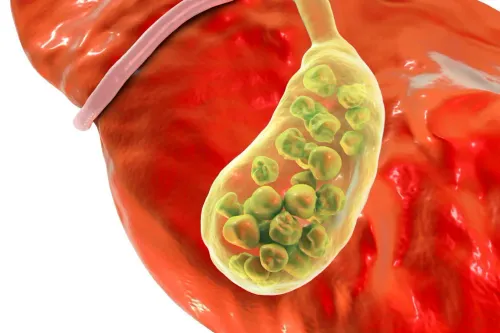
- Gall bladder stones and gall bladder inflammation
- Inguinal, umbilical, or incisional hernias
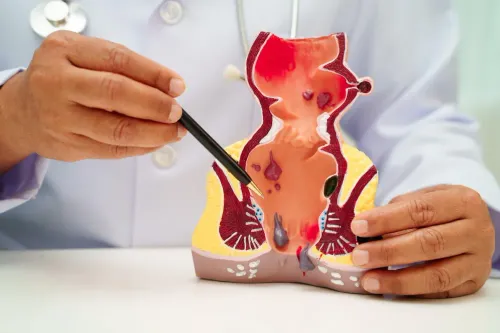
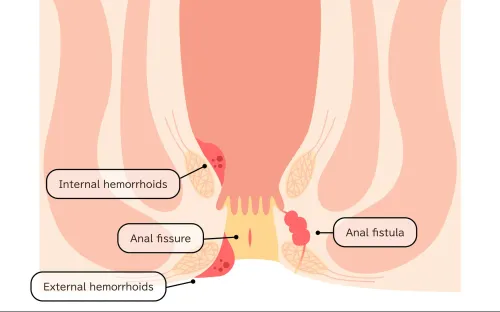
- Persistent anal fissures
- Anal fistulas
- Hemorrhoids
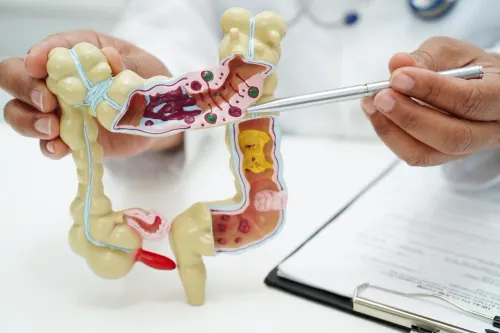
- Certain colorectal disorders
- Breast lumps or swelling
- Thyroid swelling
- Varicose veins
- Gastroesophageal reflux requiring surgical evaluation
Consulting a surgeon does not automatically mean surgery will be advised. The first step is usually understanding the symptoms, examining the affected area, reviewing investigations, and determining whether surgical treatment is actually necessary.
What does laparoscopic surgery mean
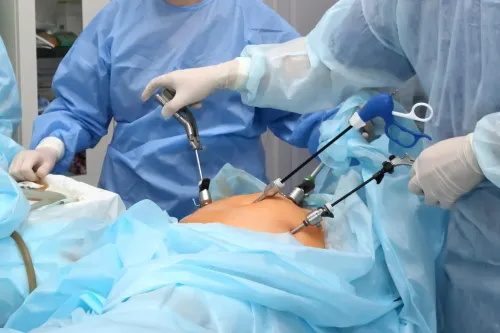
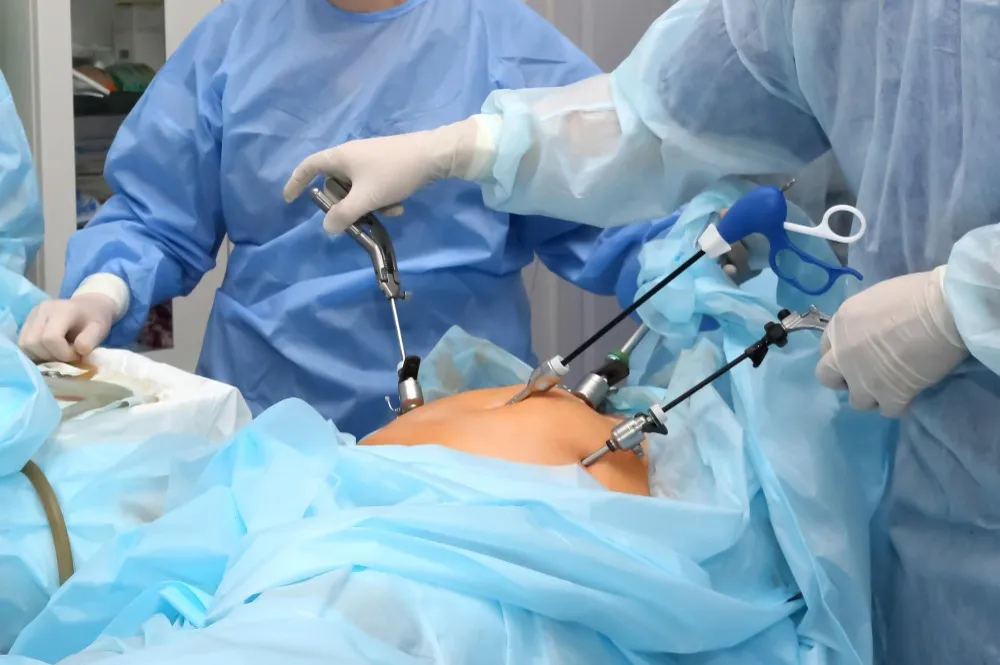
Laparoscopic surgery is performed through small incisions using a camera and specialised instruments. Depending on the disease and individual circumstances, it may offer benefits such as smaller surgical wounds and a different postoperative recovery experience compared with traditional open procedures.
However, laparoscopic surgery is not automatically the best choice for every patient.
The decision can depend on the diagnosis, previous abdominal surgeries, severity of disease, overall health, anatomy, and the type of procedure required.
Symptoms that deserve medical evaluation
Persistent or worsening symptoms should not simply be ignored. Seek evaluation when experiencing problems such as recurring abdominal pain, a growing lump, persistent rectal bleeding, painful bowel movements, unexplained swelling, or a hernia that is becoming increasingly uncomfortable.
Sudden severe abdominal pain, persistent vomiting, fever with abdominal symptoms, inability to pass stool or gas, or a painful hernia that cannot be pushed back can require urgent medical assessment.
What happens during a surgical consultation
The consultation usually begins with a detailed history and physical examination. Depending on the suspected condition, investigations such as blood tests, ultrasound, endoscopy, CT imaging, or other tests may be considered.
Dr Shaunak Saha provides general and laparoscopic surgical evaluation for patients in Baner. The purpose of the consultation is to establish the diagnosis and discuss appropriate treatment options rather than assuming that every condition needs an operation.
Good surgical care begins with the right diagnosis. Knowing when to consult a surgeon gives patients the opportunity to understand their condition, compare appropriate treatment approaches, and make informed decisions about the next stage of care.
Keywords