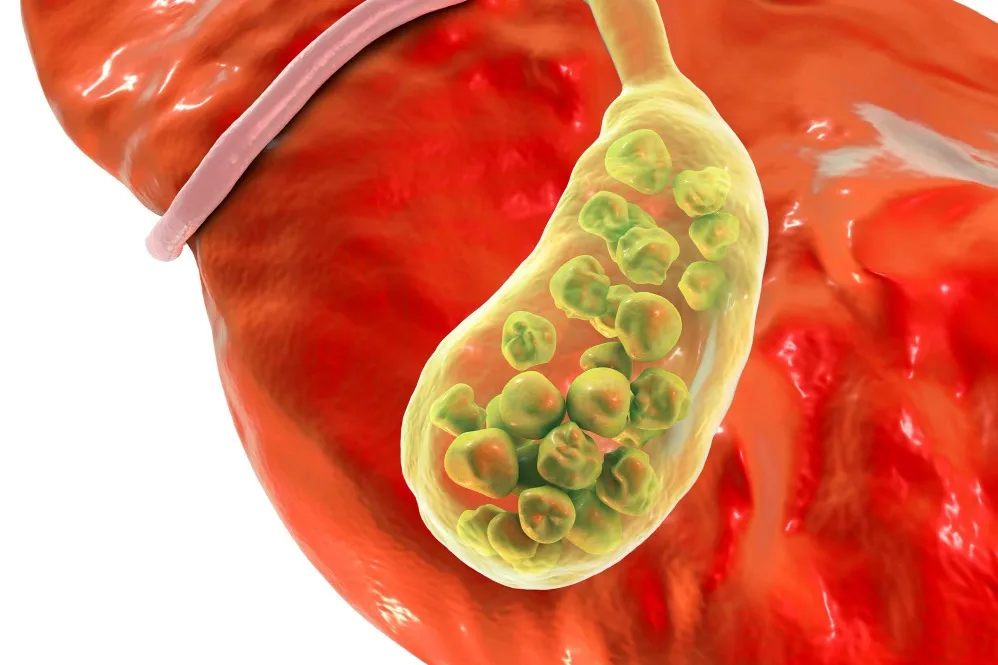
A sudden episode of upper abdominal pain after eating can be easy to dismiss as acidity or indigestion. When similar attacks keep returning, gallstones may be one possible cause and deserve proper medical evaluation.
Gall Bladder Stone Treatment depends on whether stones are causing symptoms, inflammation, obstruction, or other complications.
What do gallstones feel like
Gallstones can remain silent for years. When a stone interferes with normal bile flow, symptoms may occur.
A typical episode can involve pain in the upper right or upper middle part of the abdomen. Some patients experience discomfort extending toward the back or right shoulder.
Other possible symptoms include:
- Nausea or vomiting
- Abdominal discomfort after meals
- Recurrent episodes of upper abdominal pain
- Tenderness during inflammation
Symptoms alone cannot confirm gallstones because several gastrointestinal conditions can produce similar complaints.
How gallstones are diagnosed
Ultrasound is commonly used to examine the gall bladder and identify stones. Blood investigations may also be required, particularly when inflammation, infection, jaundice, or pancreatic involvement is suspected.
Further imaging or investigations may be recommended when doctors need additional information about the bile ducts or surrounding organs.
Does every gallstone need surgery
No.
Gallstones discovered incidentally in a person without symptoms may be approached differently from stones causing repeated painful attacks or complications.
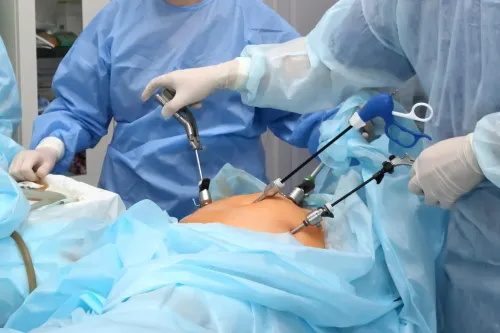
For symptomatic gallstones, surgical removal of the gall bladder may be recommended after clinical evaluation. In many suitable cases, this can be performed laparoscopically.
The important distinction is that treatment decisions are based on the patient rather than simply on the ultrasound report.
When symptoms should not be ignored
Medical assessment becomes particularly important when abdominal pain is severe or persistent, or when it occurs with fever, repeated vomiting, jaundice, or significant tenderness.
These symptoms may indicate a complication that requires timely evaluation.
In Baner, access to diagnostic imaging and surgical care allows patients with recurrent gall bladder symptoms to undergo systematic assessment rather than repeatedly treating episodes as ordinary indigestion.
Dr Shaunak Saha evaluates patients with gall bladder stones and related surgical conditions in Baner, Maharashtra. Assessment may include reviewing the pattern of pain, ultrasound findings, previous attacks, medical history, and potential complications before discussing treatment.
Repeatedly suppressing abdominal symptoms without identifying their cause can delay appropriate management. If gallstones have already been detected and pain keeps returning, a surgical consultation can clarify whether observation remains reasonable or whether definitive treatment should be considered.
Keywords