Rectal bleeding, changes in bowel habits, anal pain, or difficulty passing stool can be uncomfortable subjects to discuss. They are also symptoms that should not automatically be attributed to piles.
Colorectal Disorders Treatment begins by identifying the actual cause of the symptoms.
Several conditions can produce similar symptoms
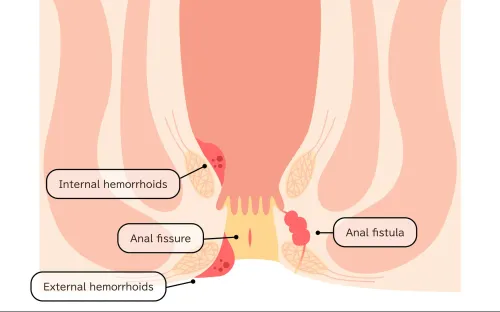
Rectal bleeding can occur with hemorrhoids, anal fissures, inflammatory conditions, polyps, and other colorectal problems.
Likewise, anal pain may arise from a fissure, abscess, thrombosed hemorrhoid, infection, or another condition.
Because symptoms overlap, self-diagnosis can be misleading.
Signs that deserve assessment
Arrange medical evaluation when experiencing:
- Recurrent rectal bleeding
- Persistent pain during bowel movements
- Unexplained change in bowel habits
- Persistent constipation or diarrhoea
- Anal discharge
- A swelling near the anus
- Recurrent anal infection
- Unexplained weight loss with bowel changes
- Persistent abdominal discomfort
The urgency of assessment depends on the nature and severity of symptoms.
Heavy bleeding, severe abdominal pain, significant weakness, persistent vomiting, or other rapidly worsening symptoms require prompt medical attention.
What does evaluation involve
Assessment typically begins with questions about bowel habits, bleeding, pain, duration of symptoms, medications, diet, previous conditions, and family history.
A physical examination may then be recommended.
Depending on the symptoms and age of the patient, further investigations may be necessary. These can include laboratory tests, endoscopic evaluation, imaging, or other examinations.
Treatment depends on the diagnosis
There is no universal treatment for colorectal symptoms.
A fissure may require a different approach from hemorrhoids. A fistula has different treatment considerations from constipation. Persistent bleeding without a confirmed diagnosis may require investigation rather than repeated use of over-the-counter medication.
Some colorectal problems can initially be managed conservatively, while others may require procedures or surgery.
For patients in Aundh and surrounding areas of Maharashtra, timely evaluation can help distinguish common benign conditions from problems requiring more extensive investigation.
Dr Shaunak Saha provides surgical evaluation for colorectal and anorectal disorders. A consultation can help determine whether symptoms are related to hemorrhoids, fissures, fistulas, or another condition and what investigations may be appropriate.
Embarrassment often causes people to postpone colorectal consultations. From a clinical perspective, however, bowel and rectal symptoms are routine medical concerns. Establishing the cause is the important first step because appropriate treatment depends on an accurate diagnosis rather than assumptions based on symptoms alone.
Keywords