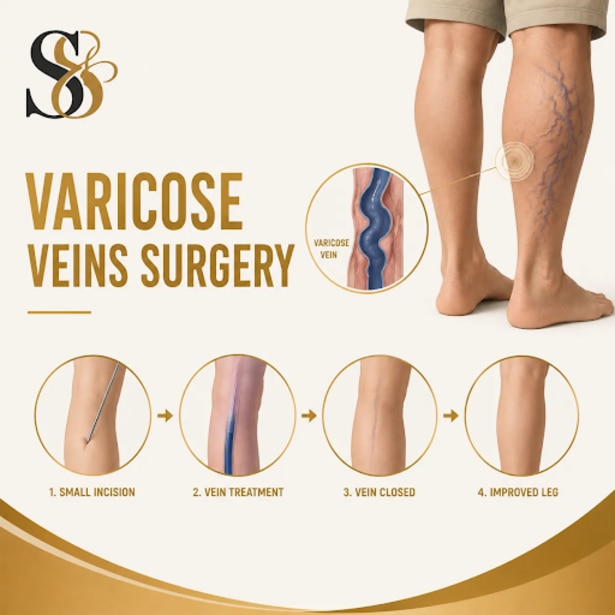
Visible leg veins do not always identify the source of pain, swelling or skin changes, and choosing treatment before confirming the affected vein can lead to the wrong procedure. You will learn how to recognise urgent warning signs, what a venous duplex ultrasound shows, how treatment options compare, and how to prepare for care in Pune.
Key takeaways
- Seek assessment for pain, swelling, bleeding or skin changes—not only appearance.
- A venous duplex ultrasound maps reflux and confirms which veins need treatment.
- Compression, injections, ablation and surgery suit different vein patterns and symptoms.
- Check a Pune surgeon’s vascular experience, ultrasound process and follow-up arrangements.
When leg veins need medical assessment rather than cosmetic treatment
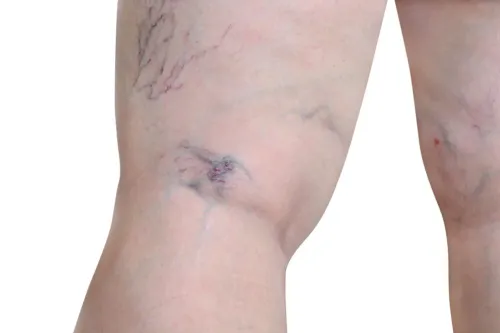
Spider veins are usually fine, branching red or blue marks and a cosmetic concern. Bulging, twisted varicose veins need medical assessment when they cause aching, heaviness, swelling, itching, night cramps, bleeding or skin changes.
| Finding | What it suggests | What to do |
|---|---|---|
| Spider veins | Small surface vessels, usually cosmetic | Observe unless symptoms develop |
| Hard, tender, red vein | Superficial thrombophlebitis | Arrange prompt medical assessment |
| Sudden one-sided swelling, warmth, redness or severe pain | Possible deep-vein thrombosis | Seek emergency assessment |
| Chest pain, coughing blood or shortness of breath | Possible pulmonary embolism | Call emergency services immediately |
A bleeding vein is urgent. Lie down, raise the leg above heart level and apply firm, direct pressure while obtaining medical help. Do not book routine painful leg veins treatment in Pune for these warning signs.
Persistent symptoms, ankle skin darkening or eczema, or a non-healing ankle wound justify a planned vascular consultation. The clinician compares both legs while you stand, checks pulses, and looks for swelling, pigmentation, ulcers and changes in skin texture.
Expect questions about symptom timing, pregnancy, age, prolonged standing, obesity, family history, previous clots and earlier vein procedures.
These distinctions help you choose observation, a planned consultation or emergency care. Visible veins alone do not prove the cause; a duplex ultrasound may be needed before treatment.
What the venous duplex ultrasound must establish before treatment
A visible bulging vein cannot identify the correct treatment. It may be a side branch while reflux begins in a different trunk vein, or the symptoms may come from deep-vein disease, superficial thrombophlebitis, lymphedema or a musculoskeletal problem.
A venous duplex ultrasound maps the superficial and deep veins, measures blood-flow direction and duration, identifies reflux from failed valves, and detects obstruction or clot. It must establish the vein responsible for the treatment plan, not merely photograph visible veins.
| Scan question | What it establishes | Why it changes treatment |
|---|---|---|
| Which vein has reflux? | The incompetent trunk or branch | Determines the treatment target |
| Is the deep system clear? | Obstruction, clot or deep-vein disease | Can rule out an unsuitable plan |
| Who performed and interpreted it? | The scan’s clinical reliability | Links findings to a treatment decision |
Tell the clinician about medicines, anticoagulants, previous operations, pregnancy, and how long you stand or sit each day. Pregnancy often makes veins more prominent, so intervention is usually deferred until after delivery unless a serious complication requires specialist care.
Before choosing varicose veins treatment in Pune, ask:
- Which vein is incompetent?
- Is the deep venous system clear?
- Who performed and interpreted the duplex scan?
- Will the written report guide treatment?
Check leg pulses before strong compression because poor arterial circulation can make it unsafe. A scan report that simply records bulging veins has not answered the treatment question.
How compression, injections, ablation and surgery compare
For confirmed varicose veins with truncal reflux, lifestyle measures ease symptoms but do not repair failed valves. Walk, exercise your calf muscles, elevate your legs, manage weight and avoid long periods of immobility. Correctly measured compression stockings can reduce aching and swelling; have a trained fitter measure you, and check arterial circulation before strong compression.
| Option | What it involves | Main limitation or use |
|---|---|---|
| Endovenous laser or radiofrequency ablation | A catheter and local anaesthetic close the faulty vein from inside, redirecting blood through healthier veins | NICE recommends this first when suitable |
| Ultrasound-guided foam sclerotherapy | Injected sclerosant closes the vein | Used when ablation is unsuitable; multiple sessions may be needed and veins can reopen |
| Cyanoacrylate closure | Adhesive seals the vein without thermal energy | An alternative when avoiding heat is important |
| Phlebectomy | Bulging tributaries are removed through tiny skin openings | Side branches may remain after ablation |
| Varicose veins surgery in Pune | Ligation and stripping, sometimes with phlebectomy | Considered when less-invasive treatments are unsuitable |
The usual sequence is:
- Offer endothermal ablation when the duplex scan confirms suitable truncal reflux.
- Use ultrasound-guided foam sclerotherapy if ablation is unsuitable.
- Consider surgery if foam treatment is unsuitable.
Stockings are not the primary treatment when intervention is suitable. Ablation may close the main refluxing vein while leaving visible side branches; later foam or phlebectomy can treat them.
What to expect before and after a vein procedure
Before treatment, review every medicine with the clinician. Make an anticoagulant plan together; never stop blood thinners independently. Complete venous Doppler mapping, sign consent, and follow fasting instructions if sedation or general anaesthesia is planned.
Ask these practical questions before booking:
- Is this day-care treatment, and is local anaesthetic sufficient?
- How many sessions are likely?
- Will I need someone to drive me home?
- How many days away from work should I plan?
- When can I bathe, run, lift weights or stand for long periods?
- How long must I wear compression?
| Option | Early recovery | Practical commitment |
|---|---|---|
| Endovenous ablation | Small punctures, bruising and tenderness | Walking according to the discharge plan; follow-up imaging may be arranged |
| Foam sclerotherapy | Injection-site bruising or skin staining | More than one session may be needed; wear compression as instructed |
| Phlebectomy | Tiny openings, bruising and soreness | Walking is encouraged; tributaries may need separate treatment |
| Ligation and stripping | More wounds, soreness and wound care | Plan more recovery time and attend wound reviews |
Discuss pain relief, follow-up imaging and what to do if symptoms continue. Risks include bruising, bleeding, infection, nerve irritation, skin staining, allergic reaction to sclerosant, deep-vein thrombosis and pulmonary embolism; seek urgent help for chest pain or sudden breathlessness. Reopening, new reflux or untreated tributaries can cause recurrence, so no procedure guarantees permanently clear legs.
How to choose a varicose vein clinic and surgeon in Pune
Before booking varicose veins surgery in Pune, verify the clinic’s exact Baner or Pune location, appointment hours, referral rules, venous Doppler availability and emergency access. Ask who performs the scan and who interprets it; a visible vein alone cannot identify the source of reflux.
Use the National Medical Commission’s Indian Medical Register to check the clinician’s registration and qualifications. Do not rely on an online title such as “vein specialist.”
Ask a varicose vein surgeon in Pune:
- Which vein has reflux, and what did the Doppler show about the deep veins?
- Why is the proposed treatment preferable to endothermal ablation, foam sclerotherapy or surgery?
- What anaesthesia will be used?
- Do tributaries need separate foam treatment or phlebectomy?
- How will recurrence be assessed and managed?
- What happens if pain continues after treatment?
Bring previous Doppler reports, operation notes, medication lists and details of earlier clots or vein procedures. Request written aftercare covering walking, compression, bathing, work and warning signs.
| Check before booking | What a clear answer includes | Warning sign |
|---|---|---|
| Price | Consultation, Doppler, procedure, consumables, anaesthesia, garments and follow-up | One unexplained package price |
| Coverage | Items included and insurer requirements | Assuming insurance pays everything |
| Follow-up | Named contact, review timing and emergency instructions | No plan for persistent pain or recurrence |
Dr. Shaunak Saha is one local general and laparoscopic surgery practice you can compare using these clinical, logistical and communication checks; no single procedure suits every patient.
Related service
Vascular Surgery Varicose veins are enlarged, twisted veins that most commonly occur in the legs. View service → |
Frequently asked questions
When do varicose veins need medical assessment?
Arrange an assessment when bulging veins cause aching, heaviness, swelling, itching, night cramps, bleeding or skin changes.
What must a venous duplex ultrasound establish?
It must identify reflux, map affected veins and show which veins are suitable for treatment.
How do compression, injections, ablation and surgery compare?
Compression manages symptoms, injections close selected veins, ablation treats refluxing veins from inside, and surgery removes or ties off affected veins.
How should you choose a varicose vein clinic and surgeon in Pune?
Check the surgeon’s relevant experience, whether duplex ultrasound guides planning, which procedures are offered and how follow-up is handled.
Keywords