Gall bladder stones do not always cause symptoms. When they repeatedly cause pain, inflammation, or related complications, however, surgical removal of the gall bladder may be considered.
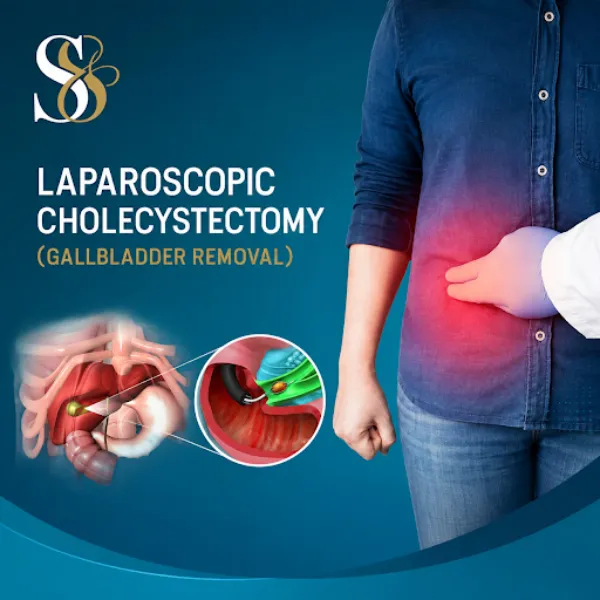
Laparoscopic Cholecystectomy is a commonly performed procedure in which the gall bladder is removed using minimally invasive surgical techniques.
Understanding why the operation is recommended and what it involves can make the treatment process clearer for patients in Baner.
Why is the gall bladder removed
The gall bladder stores bile produced by the liver. Gallstones may develop when substances in bile form hardened deposits.
Some people remain symptom-free, while others experience attacks of pain, particularly in the upper right or upper central abdomen. Symptoms can sometimes occur after meals and may be accompanied by nausea or vomiting.
Gallstones can also be associated with complications such as gall bladder inflammation, bile duct obstruction, jaundice, or pancreatitis.
The decision to operate depends on symptoms, examination findings, imaging results, complications, and the patient's overall condition.
How laparoscopic cholecystectomy is performed
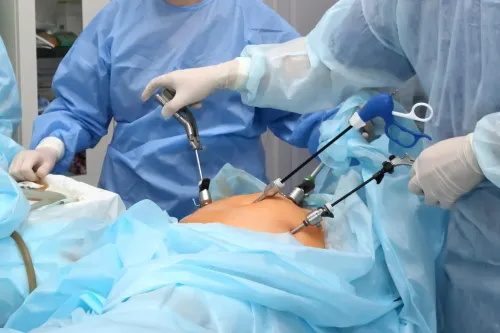
During laparoscopic surgery, several small incisions are generally made in the abdomen. A laparoscope provides the surgeon with a view of the operating area, while specialised instruments are used to separate and remove the gall bladder.
The procedure is performed under anaesthesia.
Although the intention may be to complete surgery laparoscopically, circumstances discovered during an operation can occasionally make conversion to an open procedure necessary for patient safety.
What happens before the operation
Preoperative assessment can include:
- Medical history and physical examination
- Ultrasound findings
- Blood investigations
- Review of current medications
- Assessment of existing health conditions
- Anaesthesia evaluation when appropriate
Patients should inform their treating team about medicines and supplements they use, particularly medicines that can affect bleeding.
What happens after gall bladder removal
Recovery varies between individuals. Patients receive guidance about wound care, physical activity, diet, medication, and follow-up based on their particular procedure and health status.
Many people can live normally without a gall bladder because bile continues to be produced by the liver.
Patients in Baner, Maharashtra, who have recurrent symptoms related to gallstones can discuss whether laparoscopic surgery is appropriate for their specific situation. Dr Shaunak Saha evaluates gall bladder conditions and explains the available surgical options based on clinical findings.
The presence of gallstones alone does not answer every treatment question. Symptoms, complications, investigation findings, and individual health factors need to be considered together before deciding whether cholecystectomy is appropriate.
Keywords