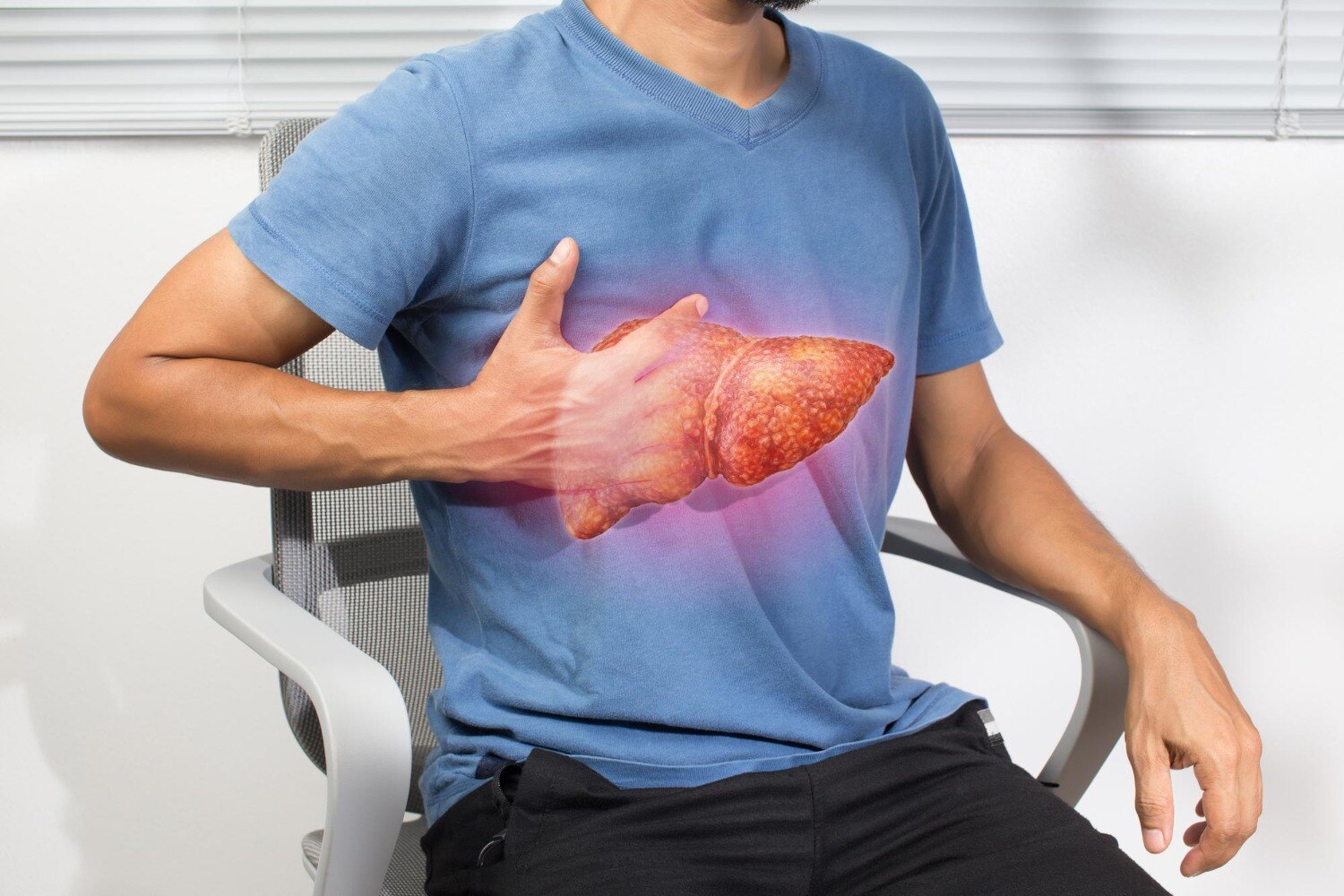
Fever with pain beneath the right ribs can signal a liver abscess, but it can also resemble gallbladder disease, hepatitis, pancreatitis, appendicitis, or a perforated ulcer. You will learn which warning signs require urgent care, how doctors identify the likely cause, and why antibiotics, drainage, or surgery may be selected in different situations.
Key takeaways
- Seek emergency care for fever with jaundice, confusion, fainting, or rapid breathing.
- Imaging and blood tests distinguish a liver abscess from gallbladder or pancreatic disease.
- Pyogenic abscesses need antibiotics; amoebic abscesses need anti-amoebic treatment.
- Drainage choice depends on abscess size, location, contents, and response to treatment.
When Fever and Upper-Abdominal Pain Need Emergency Assessment
Fever and right upper abdominal pain deserves prompt medical assessment, not watchful waiting. Go to an emergency department if it comes with chills, sweating, repeated vomiting, jaundice, confusion, fainting, rapid breathing, severe weakness, low blood pressure, or inability to drink.
Vomiting and jaundice, symptoms of liver abscess, can signal worsening infection, though symptoms alone cannot confirm the cause.
- Seek emergency care now for signs of sepsis, collapse, breathing difficulty, or rapidly worsening pain. A liver abscess can rupture, spread infection through the abdominal cavity, or irritate the chest.
- Lower your threshold for urgent review if you have diabetes, weakened immunity, a recent abdominal infection or operation, bile-duct or gallbladder disease, a bloodstream infection, or travel or residence where Entamoeba histolytica is common.
- Do not rely on fever being high. Older adults and immunocompromised people can have little fever or pain despite a serious abscess.
| Urgency | Warning pattern | What to do |
|---|---|---|
| Emergency | Confusion, fainting, rapid breathing, low blood pressure, severe weakness, repeated vomiting, or inability to drink | Call emergency services or attend hospital now |
| Prompt assessment | Fever with pain under the right ribs, especially with chills, sweating, or jaundice | Arrange same-day medical assessment; imaging and blood tests may be needed |
| Routine review | Mild, stable symptoms without fever, deterioration, or risk factors | Book medical review, but escalate if symptoms change |
Why the Pain Can Mimic Gallbladder, Pancreas, Liver, or Bowel Disease
A liver abscess can cause fever and steady pain beneath the right ribs, but those symptoms also occur in several abdominal diseases. The classic triad of fever, right-upper-quadrant pain, and jaundice is uncommon, so its absence does not exclude an abscess.
| Cause | Typical clue | Why it overlaps |
|---|---|---|
| Liver abscess versus gallbladder pain | Fever with persistent right-sided tenderness | Cholecystitis causes right-upper-quadrant pain, vomiting, and fever |
| Hepatitis | Malaise, nausea, dark urine, jaundice | Liver inflammation can cause upper-abdominal discomfort and abnormal liver tests |
| Pancreatitis | Severe central or upper pain radiating to the back | Pain and vomiting can resemble an upper abdominal abscess |
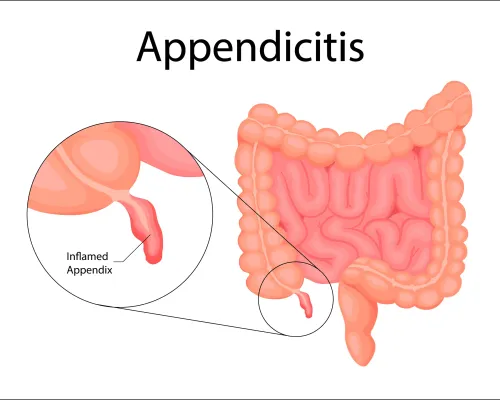
| Appendicitis versus liver abscess pain | Pain may begin centrally or settle low on the right | Appendix inflammation can produce fever and shifting abdominal pain |
| Perforated ulcer | Sudden severe pain with a rigid abdomen | Leakage into the abdominal cavity causes an emergency that can mimic severe infection |
Symptoms cannot confirm the diagnosis because pain location varies, older or immunocompromised people may have little fever, and blood tests cannot distinguish an abscess from biliary infection, hepatitis, pancreatitis, or malignancy.
Evaluation combines examination, a complete blood count, liver-function tests, C-reactive protein or another inflammatory marker, and blood cultures before changing antibiotics where possible. Ultrasound is often first because it is rapid and avoids radiation; contrast-enhanced CT defines size, number, gas, location, rupture, and nearby disease.
Pyogenic or Amoebic: Why the Abscess Type Changes Treatment
A pyogenic liver abscess is caused by bacteria; an amoebic liver abscess is linked to Entamoeba histolytica. Bacteria may arrive through infected bile ducts, portal blood from an abdominal infection, the bloodstream, trauma, or an unrecognised gastrointestinal source.
Doctors investigate the cause by:
- Taking travel, residence, food, water, and household exposure history, especially where Entamoeba histolytica is common.
- Ordering amoebic testing or serology when the history or imaging pattern suggests amoebic disease.
- Obtaining blood cultures before antibiotics are changed or drainage is performed, when possible. Blood cultures can be negative after antibiotics even when an abscess is present.
- Sending aspirated material for aerobic and anaerobic culture and sensitivity testing. A negative blood cultures and abscess culture result does not prove a noninfectious abscess; prior treatment, anaerobes, amoebic disease, or poor sampling can explain it.
- Reviewing ultrasound or contrast CT for a solitary or multiple collection, its location, gas, wall pattern, and features that support an alternative cause when cultures are negative.
Amoebic disease usually needs a tissue-active drug such as metronidazole, followed by a luminal amoebicide to clear intestinal carriage. Drainage is not automatic for every amoebic abscess; it is considered for diagnostic uncertainty, poor response, impending rupture, or selected large or left-lobe collections.
Bacterial disease usually needs antibiotics plus source control, including drainage or treatment of an infected bile duct or bowel source.
How Doctors Decide Between Antibiotics, Needle Aspiration, and Drainage
Antibiotics alone for liver abscess may work when the collection is small—often under about 3 to 5 centimetres—uncomplicated, and the patient is stable and clearly improving. Size is not an automatic rule.
Intervention becomes more likely with:
- A multiloculated liver abscess, gas, thick pus, poor drainage, or a difficult location
- Sepsis, rupture risk, or fever that persists despite appropriate antibiotics
- A large cavity that remains infected because medicine cannot reach or empty it
| Option | What it involves | When it applies |
|---|---|---|
| Antibiotics alone | Weeks of targeted treatment and close review | Small collection, stable patient, improving symptoms and imaging |
| Needle aspiration | Image-guided removal of pus with a needle | Selected unilocular collections; repeat aspiration may be needed |
| Percutaneous catheter drainage | Ultrasound- or CT-guided catheter left to drain fluid continuously | Thick pus, larger or loculated cavities, or ongoing drainage needs |
| Open or laparoscopic surgery | Operative drainage and treatment of related abdominal disease | Inaccessible or failed percutaneous drainage, rupture, complex multiple cavities, or another problem requiring surgery |
Antibiotics alone can fail when a large, loculated, or poorly draining cavity remains infected. Persistent fever or a residual cavity may lead to repeat aspiration, catheter placement, or further imaging.
Treatment courses are measured in weeks, often roughly 2 to 6 weeks. Doctors adjust duration for the organism, immune status, drainage quality, clinical response, and follow-up imaging. Open or laparoscopic surgery is not routine first treatment for an accessible abscess.
Percutaneous Drainage Versus Laparoscopic Drainage: What the Choice Involves
Percutaneous drainage reaches the abscess through the skin, while laparoscopic liver abscess drainage uses an operation to enter and clean the abdominal cavity. The catheter drainage versus surgery decision depends on anatomy, infection severity, and whether the cavity must keep draining.
| Option | What it involves | When it is considered |
|---|---|---|
| Percutaneous liver abscess drainage | Ultrasound- or CT-guided needle tract through the skin, using local anaesthetic with sedation or another planned anaesthetic approach; a catheter may remain for days | Commonly considered first when the abscess is accessible and ongoing drainage is needed |
| Laparoscopic liver abscess drainage | General anaesthesia and several small abdominal incisions for a camera and instruments; the surgeon opens and washes the cavity | When percutaneous access is unsafe or ineffective, drainage has failed, rupture or complex cavities exist, or another abdominal source needs surgery |
Ask about percutaneous drainage when imaging shows a reachable collection, especially if thick pus, multiloculation, persistent fever, or inadequate initial drainage could require a catheter or repeat imaging. Avoiding it may be necessary when bowel, lung, blood vessels, or another structure blocks a safe route.
Ask a surgeon about laparoscopy when the abscess has ruptured, contains multiple difficult cavities, follows previous surgery, or a biliary or bowel problem needs correction. Laparoscopy is not automatically safest or standard for every location, abscess type, or anaesthesia risk.
Discuss size, number, location, pus thickness, rupture, previous surgery, anaesthesia risk, and response to treatment with Dr. Shaunak Saha after urgent assessment and imaging; symptoms alone cannot choose the procedure.
Related service
Abdominal Surgery Laparoscopic Liver Abscess Drainage and Treatment A liver abscess is a collection of infected fluid or pus within the liver. View service → |
Frequently asked questions
When does fever with upper abdominal pain need emergency assessment?
Go to an emergency department when fever and right upper abdominal pain occur with chills, repeated vomiting, jaundice, confusion, fainting, rapid breathing, severe weakness, low blood pressure, or inability to drink.
Why can liver abscess pain resemble gallbladder, pancreatic, or bowel disease?
The liver, gallbladder, pancreas, and bowel occupy the upper abdomen and share nearby nerves, so inflammation can produce similar pain, fever, vomiting, or tenderness. Blood tests and imaging help identify the cause.
How do doctors distinguish a pyogenic abscess from an amoebic abscess?
Doctors combine symptoms, travel and medical history, blood tests, ultrasound or CT findings, and sometimes fluid testing. Pyogenic abscesses involve bacteria; amoebic abscesses involve Entamoeba histolytica and require anti-amoebic medication.
When is liver abscess treatment with antibiotics alone appropriate?
Doctors may use medication alone for a small, uncomplicated abscess when the patient is stable and improves with treatment. A larger abscess, persistent fever, worsening illness, or infected fluid can require aspiration or catheter drainage.
How does percutaneous drainage differ from laparoscopic drainage?
Percutaneous drainage places a needle or catheter through the skin using ultrasound or CT guidance. Laparoscopic drainage uses small abdominal incisions and a camera to drain the abscess when percutaneous treatment is unsuitable or unsuccessful.